
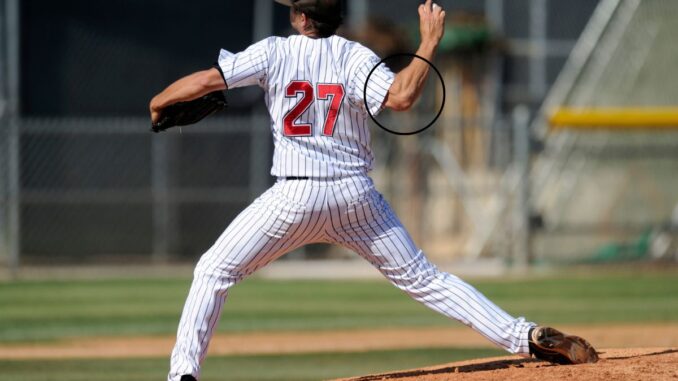
In the world of professional baseball, few injuries strike more fear than damage to the elbow’s ulnar collateral ligament. The Tommy John surgery, named after the first player to undergo the procedure, has become a crucial part of the sport’s medical landscape. Especially among pitchers, this surgery can determine the future of a promising career.
While the injury mainly affects those who throw at high velocity, understanding its implications goes beyond just physical pain. The role of prevention, rehabilitation, and modern surgical techniques plays a key part in the journey back to the mound. This article explores the causes, effects and long-term impact of this famous operation in Major League Baseball and beyond.
| Surgery name | Tommy John (first performed in 1974) |
| Body area affected | Ulnar collateral ligament (UCL) of the elbow |
| Main players affected | Pitchers in MLB, minor leagues, and college baseball |
| Surgical technique | Replacing the torn ligament with a tendon from the patient |
| Rehabilitation time | 12 to 18 months on average |
| Main objective | Restore throwing ability and pitching performance |
| Risks | Performance decline, complications, or re-injury |
| Prevention measures | Pitch limits, proper mechanics, use of recovery gear |
| Well-known operated players | Strasburg, deGrom, Eovaldi, Buehler, among others |
| Role of equipment | Compression sleeves, weighted balls, protective gear |
How the Tommy John surgery changed professional baseball
The Tommy John procedure reshaped pitcher recovery timelines in Major League Baseball. Named after the Los Angeles Dodgers pitcher who underwent the first surgery in 1974, it initially shocked the baseball community by its novelty and risk. Today, it is nearly routine for professional pitchers facing UCL tears.
The most affected players are those whose position in baseball demands intense elbow use, like starting pitchers and closers. The repetitive strain of throwing hard and often accelerates ligament wear. By understanding the procedure’s role, we gain insight into both the evolution of medicine and the game itself.
More than just a treatment, it has become a strategic decision. A player may opt for the operation to secure future performance, even if it means a long recovery. As position in baseball influences injury risk, staff and players weigh options carefully before scheduling surgery.
Baseball injuries and the toll on players’ careers
Baseball is less contact-heavy than other sports, but injuries still shape careers. The most common baseball injuries affect joints and ligaments, especially in the arms and shoulders. Tommy John surgery represents the highest level of concern, given its frequency and consequences.
A torn ulnar collateral ligament does not heal on its own and severely limits performance. This leads many pitchers to choose the operation rather than adapt their play. The sacrifice of a season in recovery is often worth the possibility of returning to elite form.
Despite medical advances, not every player returns with the same effectiveness. Some experience decreased velocity, control, or confidence. The road back after elbow surgery is both physical and mental, requiring patience and trust in rehabilitation programs.
Tommy John: what happens during the surgery?
The Tommy John surgery involves replacing the UCL with a tendon, often taken from the patient’s forearm or leg. The tendon is threaded through holes drilled in the humerus and ulna bones of the arm. This creates a new ligament-like structure to support the elbow.
The procedure has a high success rate, but it is far from easy. Surgeons require precision, and rehabilitation takes over a year. During that time, players slowly rebuild strength, range of motion, and pitching technique.
Recovery often includes throwing progressions under strict supervision. Most pitchers return to competition within 12 to 18 months, though minor setbacks are common. Patience, consistency, and support are essential for successful outcomes.
Injury prevention and the role of baseball equipment
One key evolution in modern baseball is the emphasis on injury prevention. Today, baseball equipment helps reduce ligament strain, especially for pitchers and catchers. Arm sleeves, weighted balls, and recovery tools are now commonplace.
While no gear can fully prevent elbow injury, consistent use can limit damage. Teams monitor pitch counts and biomechanics closely to avoid overuse. This data-driven approach has reshaped how young pitchers develop and are managed.
In addition to equipment, training routines and rest periods play major roles. Preventing elbow injuries means combining technology and coaching in new, intelligent ways. The goal is always to protect talent without compromising performance.
Long-term effects and career outcomes
Not every Tommy John story ends the same way. While many players return to previous form, others face complications. Scar tissue, repeat injuries, or psychological blocks can delay or prevent a successful return to form.
Some athletes even undergo a second Tommy John surgery, with lower odds of success. Repeated elbow surgery has diminishing returns, making the first procedure all the more critical. Teams invest heavily in recovery protocols to ensure optimal results.
Fortunately, many players today have access to better care than ever before. Mental health support, customized physical therapy, and tailored training reduce recovery time. In the long run, smart injury management protects long-term careers and preserves player longevity.
Famous cases and statistics to remember
Some of the most notable pitchers in MLB history have undergone Tommy John surgery. From Stephen Strasburg to Jacob deGrom, the list of success stories continues to grow. These cases offer hope, but also caution.
Pitchers and teams must weigh risk against reward. Each case is unique, and timelines vary. Yet, the presence of famous Tommy John success stories inspires future generations to believe in medical recovery.
Here’s what else stands out:
- The procedure is now performed hundreds of times annually across all levels.
- Some players choose it preventively if minor tears are detected early.
- Certain mechanics and training methods reduce the odds of needing surgery.
Famous players who have undergone Tommy John surgery
| Player | Team at the time of surgery | Year | Comment |
|---|---|---|---|
| Tommy John | Los Angeles Dodgers | 1974 | First player to undergo the procedure that now bears his name |
| Stephen Strasburg | Washington Nationals | 2010 | Top MLB prospect who helped win the 2019 World Series |
| Jacob deGrom | Texas Rangers | 2023 | Had a second Tommy John after a successful one in 2010 |
| Nathan Eovaldi | New York Yankees | 2016 | Two surgeries and a strong comeback with Boston |
| Walker Buehler | Los Angeles Dodgers | 2015 | Rose quickly through the ranks post-surgery |
| Chris Sale | Boston Red Sox | 2020 | Returned after two years with setbacks and delays |