
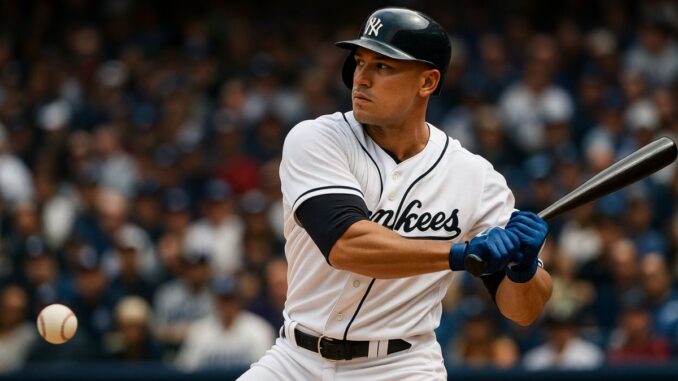
Baseball is a sport rich in history, marked by individual achievements and legendary careers. From Babe Ruth to Shohei Ohtani, Hank Aaron to Willie Mays, many players have left an indelible mark on the game. This ranking pays tribute to these exceptional athletes who have shaped the history of baseball.
The best player: a legend above the rest
Babe Ruth is often considered the greatest baseball player of all time. His ability to excel as both a pitcher and a hitter is unique in the history of the sport. He dominated his era with unmatched hitting power.
Babe Ruth revolutionized the game with his batting power, setting records that stood for decades. His impact on baseball is such that he has become a cultural icon in the United States. He also helped popularize the sport at a time when it was struggling to gain acceptance.
The baseball teams of the time were transformed by his presence. His influence changed the way teams built their lineups, emphasizing offensive power. Ruth remains an essential reference in the history of baseball.
| Player | Years active | Clubs | Honors | Special features |
|---|---|---|---|---|
| Babe Ruth | 1914–1935 | Boston Red Sox, New York Yankees, Boston Braves | 7× champion World Series, MVP (1923), 12× leader home runs | Transformed from pitcher to star batter, baseball icon, inaugural member of the Hall of Fame |
| Willie Mays | 1948–1973 | Birmingham Black Barons, New York/San Francisco Giants, New York Mets | 24× All-Star, 2× MVP, 12× Gold Glove, champion World Series (1954) | A complete player with over 3,000 hits, 660 home runs, and 300 stolen bases. |
| Hank Aaron | 1954–1976 | Milwaukee/Atlanta Braves, Milwaukee Brewers | 25× All-Star, MVP (1957), champion World Series (1957), 3× Gold Glove | Holder of the home run record (755) until 2007, leader in runs batted in and total bases |
| Ted Williams | 1939–1960 | Boston Red Sox | 2× MVP, 2× Triple Crown, 19× All-Star, 6× champion au bâton | Last player to hit .400 in a season (.406 in 1941), served in the military during two wars |
| Ty Cobb | 1905–1928 | Detroit Tigers, Philadelphia Athletics | 12× champion at bat, MVP (1911) | Highest batting average in history (.366), over 4,000 hits |
| Barry Bonds | 1986–2007 | Pittsburgh Pirates, San Francisco Giants | 7× MVP, 14× All-Star, 8× Gold Glove, 12× Silver Slugger | Holder of the record for career home runs (762) and home runs in a single season (73) |
| Lou Gehrig | 1923–1939 | New York Yankees | 2× MVP, Triple Crown (1934), 7× All-Star, 6× champion World Series | Record of 2,130 consecutive games played, nicknamed “Iron Horse” |
| Walter Johnson | 1907–1927 | Washington Senators | 2× MVP, champion World Series (1924) | 417 wins, 3,509 strikeouts, nicknamed “The Big Train” |
| Stan Musial | 1941–1963 | St. Louis Cardinals | 3× MVP, 24× All-Star, 3× champion World Series | 3,630 hits, batting average of .331 |
| Roger Clemens | 1984–2007 | Boston Red Sox, Toronto Blue Jays, New York Yankees, Houston Astros | 7× Cy Young Award, MVP (1986), 11× All-Star, 2× champion World Series | 354 wins, over 4,500 strikeouts, two games with 20 strikeouts |
| Honus Wagner | 1897–1917 | Louisville Colonels, Pittsburgh Pirates | 8× champion at bat, champion World Series (1909) | Considered the best shortstop in history, inaugural member of the Hall of Fame |
| Greg Maddux | 1986–2008 | Chicago Cubs, Atlanta Braves, Los Angeles Dodgers, San Diego Padres | 4× Cy Young Award, 18× Gold Glove, champion World Series (1995) | Known for his exceptional control and intelligence on the mound |
| Mickey Mantle | 1951–1968 | New York Yankees | 3× MVP, 20× All-Star, 7× champion World Series | Power and speed combined, icon of the Yankees |
| Rickey Henderson | 1979–2003 | Oakland Athletics, New York Yankees, Toronto Blue Jays, San Diego Padres, Anaheim Angels, New York Mets, Seattle Mariners, Boston Red Sox, Los Angeles Dodgers | 10× All-Star, MVP (1990), champion World Series (1989) | Holder of the records for stolen bases in a career (1,406) and in a single season (130) |
| Pedro Martínez | 1992–2009 | Los Angeles Dodgers, Montreal Expos, Boston Red Sox, New York Mets, Philadelphia Phillies | 3× Cy Young Award, 8× All-Star, champion World Series (2004) | Dominant despite his small stature, ERA of 2.93 in his career |
| Albert Pujols | 2001–2022 | St. Louis Cardinals, Los Angeles Angels, Los Angeles Dodgers | 3× MVP, 10× All-Star, 2× champion World Series | Over 3,000 hits and 700 home runs in his career |
| Mike Schmidt | 1972–1989 | Philadelphia Phillies | 3× MVP, 12× All-Star, 10× Gold Glove, champion World Series (1980) | Considered the best third baseman in history |
| Tom Seaver | 1967–1986 | New York Mets, Cincinnati Reds, Chicago White Sox, Boston Red Sox | 3× Cy Young Award, 12× All-Star, champion World Series (1969) | Mets icon, nicknamed “Tom Terrific” |
| Frank Robinson | 1956–1976 | Cincinnati Reds, Baltimore Orioles, Los Angeles Dodgers, California Angels, Cleveland Indians | 2× MVP (AL et NL), 14× All-Star, champion World Series (1966, 1970) | First African-American manager in MLB |
| Joe DiMaggio | 1936–1951 | New York Yankees | 3× MVP, 13× All-Star, 9× champion World Series | Holder of the record for 56 consecutive games with at least one hit |
| Clayton Kershaw | 2008–présent | Los Angeles Dodgers | 3× Cy Young Award, MVP (2014), 9× All-Star, champion World Series (2020) | Career ERA of 2.48, dominant on the mound |
| Ichiro Suzuki | 2001–2019 | Seattle Mariners, New York Yankees, Miami Marlins | 10× All-Star, MVP et Rookie of the Year (2001), 10× Gold Glove | Over 3,000 hits in MLB, unique playing style |
| Randy Johnson | 1988–2009 | Montreal Expos, Seattle Mariners, Houston Astros, Arizona Diamondbacks, New York Yankees, San Francisco Giants | 5× Cy Young Award, 10× All-Star, champion World Series (2001) | Power and intimidation on the mound, nicknamed “The Big Unit” |
| Ken Griffey Jr. | 1989–2010 | Seattle Mariners, Cincinnati Reds, Chicago White Sox | 13× All-Star, MVP (1997), 10× Gold Glove | Elegant playing style, 630 career home runs |
| Cy Young | 1890–1911 | Cleveland Spiders, St. Louis Cardinals, Boston Red Sox, Cleveland Naps, Boston Rustlers | 511 victories, ERA de 2,63, 7× leader in victories | Holder of the record for career wins, the trophy for best pitcher bears his name. |
| Derek Jeter | 1995–2014 | New York Yankees | 5× champion World Series, 14× All-Star, 5× Gold Glove | The Yankees’ iconic leader, nicknamed “Captain Clutch” |
| Roberto Clemente | 1955–1972 | Pittsburgh Pirates | 15× All-Star, MVP (1966), 12× Gold Glove, champion World Series (1960, 1971) | A dedicated humanitarian who tragically died in a plane crash |
| Sandy Koufax | 1955–1966 | Brooklyn/Los Angeles Dodgers | 3× Cy Young Award, MVP (1963), 7× All-Star, 4× champion World Series | Short but dominant career, career ERA of 2.76 |
| Carl Yastrzemski | 1961–1983 | Boston Red Sox | 18× All-Star, MVP (1967), Triple Crown (1967), 7× Gold Glove | Over 3,000 hits, iconic figure of the Red Sox |
| George Brett | 1973–1993 | Kansas City Royals | 13× All-Star, MVP (1980), 3× champion at bat, champion World Series (1985) | Known for his consistency at bat and intensity on the field |
| Nolan Ryan | 1966–1993 | New York Mets, California Angels, Houston Astros, Texas Rangers | 8× All-Star, 7 no-hitters, 5 714 withdrawals on catches | Holder of the career record for strikeouts |
| Chipper Jones | 1993–2012 | Atlanta Braves | MVP (1999), 8× All-Star, champion World Series (1995) | Considered one of the best switch-hitters |
| Yogi Berra | 1946–1965 | New York Yankees | 3× MVP, 18× All-Star, 10× champion World Series | Won 10 World Series with the Yankees, a record that still stands today. |
| Bob Gibson | 1959–1975 | St. Louis Cardinals | 2× Cy Young Award, MVP (1968), 9× Gold Glove, 2× champion World Series | ERA of 1.12 in 1968, dominant in the playoffs |
| Eddie Collins | 1906–1930 | Philadelphia Athletics, Chicago White Sox | 6× champion World Series, MVP (1914) | Leading specialist in stolen bases and defensive play |
| Mel Ott | 1926–1947 | New York Giants | 12× All-Star, 511 home runs | First NL player to hit 500 home runs |
| Tris Speaker | 1907–1928 | Boston Red Sox, Cleveland Indians, Washington Senators, Philadelphia Athletics | 3× champion World Series, MVP (1912) | All-time leader in doubles (792), excellent center fielder |
| Cal Ripken Jr. | 1981–2001 | Baltimore Orioles | 2× MVP, 19× All-Star, 2× Gold Glove | Holder of the record for consecutive games played (2,632) |
| Rod Carew | 1967–1985 | Minnesota Twins, California Angels | 18× All-Star, MVP (1977), 7× champion at bat | Contact hitter, career batting average of .328 |
| Johnny Bench | 1967–1983 | Cincinnati Reds | 2× MVP, 14× All-Star, 10× Gold Glove, 2× champion World Series | Revolutionary at the catcher position |
| Tony Gwynn | 1982–2001 | San Diego Padres | 15× All-Star, 8× champion at bat, 5× Gold Glove | Batting average of .338, model of consistency and contact |
| Ernie Banks | 1953–1971 | Chicago Cubs | 2× MVP, 14× All-Star, 500+ home runs | Cubs icon, nicknamed “Mr. Cub” |
| Joe Morgan | 1963–1984 | Houston Astros, Cincinnati Reds, San Francisco Giants, Philadelphia Phillies, Oakland A’s | 2× MVP, 10× All-Star, 5× Gold Glove, 2× champion World Series | Key player on the Big Red Machine, exceptional game intelligence |
| Harmon Killebrew | 1954–1975 | Washington Senators/Minnesota Twins, Kansas City Royals | MVP (1969), 13× All-Star, 573 home runs | Raw power, respected for his conduct on and off the field |
| Reggie Jackson | 1967–1987 | Oakland A’s, Baltimore Orioles, New York Yankees, California Angels | MVP (1973), 14× All-Star, 5× champion World Series | Nicknamed “Mr. October” for his playoff performances |
| Vladimir Guerrero | 1996–2011 | Montreal Expos, Los Angeles Angels, Texas Rangers, Baltimore Orioles | MVP (2004), 9× All-Star, 8× Silver Slugger | Spectacular hitter, known for hitting impossible pitches |
| Roy Campanella | 1948–1957 | Brooklyn Dodgers | 3× MVP, 8× All-Star, champion World Series (1955) | Career cut short by an accident, African-American pioneer at catcher |
| Christy Mathewson | 1900–1916 | New York Giants, Cincinnati Reds | 373 victories, ERA de 2,13, 2× champion World Series | Legend of the early days of modern baseball, nicknamed “Big Six” |
| Brooks Robinson | 1955–1977 | Baltimore Orioles | MVP (1964), 16× Gold Glove, 18× All-Star, 2× champion World Series | Best defensive third baseman in history |
| Willie Stargell | 1962–1982 | Pittsburgh Pirates | MVP (1979), 7× All-Star, 2× champion World Series | Charismatic leader, feared power |
Baseball legends: exceptional careers
Many players have made their mark on baseball history with their exceptional performances. Willie Mays, Hank Aaron, and Ted Williams are among the sport’s greatest names. Their impressive statistics are a testament to their talent and consistency.
Willie Mays is known for his versatility and defensive excellence, combining power at bat with agility in the field. Hank Aaron, meanwhile, broke numerous batting records, becoming an iconic figure in baseball. Ted Williams is often cited as the greatest pure hitter in history.
These players not only shone individually, but also raised the level of play for their teams. Their presence on the field inspired teammates and opponents alike, contributing to the strategic evolution of baseball. Their legacy lives on in the annals of the sport.
The best player: heated debates
The title of best baseball player is the subject of heated debate among fans and experts alike. Some favor offensive statistics, while others emphasize defense or career longevity. These discussions reflect the richness and complexity of the sport.
The criteria for determining the best player vary depending on the era and perspective, making consensus difficult. Advances in advanced statistics have also influenced these debates, offering new ways to evaluate performance. Comparisons between players from different eras remain a delicate exercise.
Despite these differences, certain names come up frequently in discussions: Babe Ruth, Willie Mays, Hank Aaron, Ted Williams, and Barry Bonds. These players have made history with their exceptional performances, and their influence continues to inspire admiration and respect.
Baseball stars: iconic figures
Baseball has seen the emergence of many stars who have captivated crowds with their talent and charisma. Players such as Derek Jeter, Ken Griffey Jr., and Ichiro Suzuki have left their mark on their era and inspired new generations of fans.
Derek Jeter is famous for his leadership and playoff performances, becoming an iconic figure for the New York Yankees. Ken Griffey Jr., with his elegant swing and spectacular defense, was one of the most popular players of the 1990s. Ichiro Suzuki brought an international dimension to baseball, setting records for hits.
MLB continues to honor these stars, recognizing their contributions to the sport. Their impact goes beyond statistics, influencing the culture and image of baseball and strengthening its appeal to a global audience.
The greats: names engraved in history
Some players are unanimously recognized for their outstanding contributions to baseball. Their names are synonymous with excellence, and their careers are studied by sports enthusiasts.
- Lou Gehrig: known for his consistency and mental strength, he set records for durability.
- Stan Musial: a model of consistency at bat, respected for his integrity.
- Roberto Clemente: beyond his performances, he is celebrated for his humanitarian commitment.
- Nolan Ryan: holder of the strikeout record, he left his mark on several generations.
- Cal Ripken Jr.: a symbol of perseverance, with his record for consecutive games played.
These players have left an indelible mark on baseball, embodying the values of the sport and inspiring millions of fans around the world.
Emerging talents: the next generation of baseball
Baseball continues to evolve with the emergence of new talents who are pushing the boundaries of the game. Players such as Shohei Ohtani, Mike Trout, and Mookie Betts embody this new generation of well-rounded athletes.
Shohei Ohtani impresses with his ability to excel as both a pitcher and a hitter, a rarity in modern baseball. Mike Trout is often considered the most complete player of his generation, combining power, speed, and defense. Mookie Betts stands out for his versatility and impact in key moments.
These players bring a new dynamic to baseball, attracting a younger and more diverse audience. Their presence on the field symbolizes the promising future of the sport, ensuring the continuity of its legacy while opening up new possibilities.